

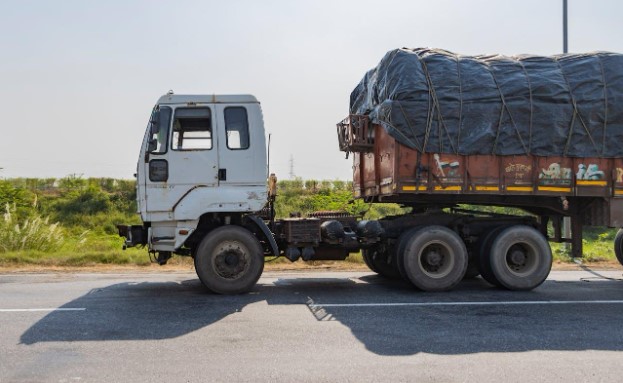

Getting a massive piece of equipment from one place to another takes careful planning. You might look at a gigantic piece of machinery and wonder what kind of truck can actually move it. Standard flatbeds work for many shipments. Other times, the sheer size and weight demand a completely different level of transport.
Heavy Haul Trucking Companies Are Needed When Weight Exceeds Legal Limits
Federal regulations strictly control how much weight a single truck axle can carry on public roads. Going over these standard limits means a regular truck simply cannot legally or safely transport your items.
This is exactly when specialized heavy haul trucking companies step in with their multi axle configurations. Distributing the massive weight across more wheels protects the road surface from severe damage. You must check the total weight of your cargo before booking any transport vehicle.
Dimensions Broader Than 8.5 Feet or Taller Than 13.5 Feet
Standard highway lanes and bridge clearances dictate the maximum size for normal freight. If your freight extends beyond eight and a half feet wide, it creates serious safety hazards for other drivers. Similarly, cargo towering over thirteen and a half feet risks striking overpasses and power lines.
Moving items with these oversized dimensions requires specialized routing. Drivers need specific trailers that sit lower to the ground to accommodate the extra height safely.
Length Spans beyond 53 Feet without Articulation Points
Long pieces of rigid cargo present unique transport problems on standard roads. Think about trying to turn a massive solid pipe or a giant steel beam around a tight city corner. Standard trailers max out at fifty three feet.
Anything longer requires extendable trailers that can stretch to support the entire length of the item. Drivers also need exceptional skill to manage wide turns without causing accidents or getting stuck at intersections.
Cargo Type Includes Cranes, Bulldozers, or Prefabricated Buildings
Certain types of freight automatically trigger the need for special transport solutions. Massive construction machinery like bulldozers and industrial cranes carry an enormous amount of bulk and uneven weight distribution. Prefabricated houses and large industrial modules also fit into this category.
These items simply cannot be broken down into smaller pieces for easier shipping. Their awkward shapes and massive footprints demand custom trailers designed specifically to secure and balance such unusual loads.
Route Requires Special Permits for Oversized Movements
State and local governments carefully monitor huge shipments moving through their jurisdictions. Local authorities will force you to obtain specific permits if your cargo exceeds standard measurements. This paperwork ensures that police escorts and pilot cars are organized to accompany the shipment.
These escort vehicles warn oncoming traffic and help the truck driver change lanes safely. Securing these permits takes specialized knowledge of local transport laws across different state lines.
Loading and Unloading Need Cranes or Hydraulic Trailers
Getting the cargo onto the truck often proves just as difficult as the journey itself. Standard forklifts simply cannot lift giant steel structures or massive generators. You will need industrial cranes or specialized hydraulic trailers to lift and position the freight onto the transport bed safely.
The rigging process requires certified professionals who know exactly how to balance the load. Improper loading puts the entire shipment and the transport crew at severe risk.