

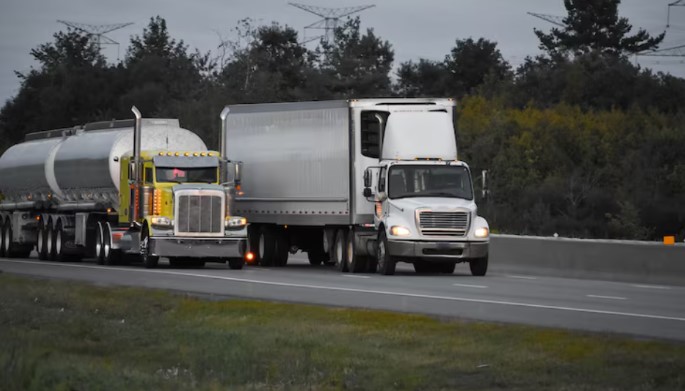

Transporting heavy machinery, construction equipment, and oversized cargo on public roads is not as simple as loading a truck and starting the journey. Every country and state has strict road safety laws designed to protect infrastructure, drivers, and the public. When a vehicle exceeds standard weight limits, special authorization is required before it can legally travel. This is where overweight permits play a vital role in ensuring that heavy loads are moved safely and within legal boundaries.
Understanding the Purpose of Overweight Permits
Overweight permits are official permissions issued by transportation authorities that allow vehicles carrying loads beyond the legal weight limit to travel on designated routes. These permits are not just paperwork; they are safety measures designed to prevent damage to roads, bridges, and highways while protecting other road users.
Authorities such as the Federal Motor Carrier Safety Administration set weight regulations and safety standards for commercial vehicles. When transporters apply for overweight permits, they must provide details about the load, vehicle specifications, and travel route to ensure the journey can be completed without risk.
Legal Compliance and Road Regulations
Transport companies that move heavy loads must follow strict legal requirements. Operating without overweight permits can lead to heavy fines, delays, and even the impounding of vehicles. These permits ensure that the transport company is complying with road laws and safety standards.
Government agencies evaluate whether the vehicle’s weight is suitable for specific highways and bridges. Some roads cannot handle extreme weight, and overweight permits guide drivers toward approved routes that can safely support the load.
Protecting Public Infrastructure
One of the main reasons overweight permits are required is to protect public infrastructure. Roads and bridges are built with specific weight capacities. If overloaded vehicles travel without regulation, they can cause cracks, structural damage, and long-term wear.
By issuing overweight permits, authorities make sure that heavy vehicles avoid weak structures and follow routes designed to handle greater stress. This reduces maintenance costs for governments and prevents unexpected road failures that could endanger lives.
Enhancing Driver and Public Safety
Heavy loads affect a vehicle’s braking distance, turning ability, and overall stability. Overweight permits often come with conditions such as speed limits, restricted travel times, or the requirement of escort vehicles. These rules are designed to minimize the risk of accidents.
Drivers are also informed about special precautions they must take while transporting oversized loads. This ensures that both the driver and other road users remain safe throughout the journey.
Planning Efficient Routes for Heavy Loads
Overweight permits are not issued randomly. Authorities carefully plan and approve routes that can accommodate heavy vehicles. This route planning helps avoid narrow roads, sharp turns, low bridges, and busy city traffic.
As a result, transport companies can move heavy cargo more efficiently without unexpected roadblocks or legal interruptions. Proper planning reduces delays and ensures timely delivery of important equipment and materials.
Supporting Industries That Depend on Heavy Transport
Many industries rely on the movement of heavy equipment, including construction, mining, agriculture, and energy sectors. Overweight permits make it possible for these industries to function smoothly by allowing legal transport of essential machinery.
Without overweight permits, moving large equipment like cranes, turbines, and industrial machines would be extremely difficult and risky. These permits provide a structured and lawful way to support economic activities that depend on heavy transport.
Conclusion
Overweight permits are far more than simple documents; they are essential tools for maintaining safety, legality, and efficiency in heavy load transportation. They protect roads and bridges, ensure drivers follow safe practices, and help industries transport vital equipment without violating regulations. By obtaining overweight permits before transporting heavy loads, companies demonstrate responsibility, professionalism, and commitment to public safety.